If you're just starting out or planning to promote your brand in the Chinese market, you may find some significant difference — in the way the Chinese and Westerners use social media. Understanding these differences in advance can help you avoid marketing pitfalls. These differences are mainly reflected in the following aspects: China: In China, social media is not only a tool for daily communication but also an integral part of life. WeChat, Weibo, Douyin (Chinese TikTok), and RedNote are the mainstream platforms, with users preferring multifunctional, integrated platforms. For example, WeChat is not just a social tool, but also a platform for payments and shopping. China: Social media content in China places more emphasis on short videos, live streaming, and social e-commerce. In platforms like Douyin and RedNote, users' habits are gaining information through videos and images, with a particular preference for those that are entertaining and interactive. This content not only satisfies entertainment needs but also directly guides users to make purchases. China: Many users tend to share their personal lives and daily activities. In China, the largest private social tool is WeChat, where users share personal updates through "Moments," focusing on private discussions, group chats, and topic discussions. These social networks have also given rise to a marketing model known as "WeChat commerce." China: Social media is combined with both a communication tool and an e-commerce platform. It is customary for users to make purchases directly on social platforms, especially on RedNote and Douyin, where socializing and shopping are closely integrated. Recommendations from KOLs (Key Opinion Leaders) and KOCs (Key Opinion Consumers) have a huge influence on purchasing decisions. China: Content is mainly localized, focusing on socialization, entertainment, and lifestyle. In this context, Chinese platforms have developed precise and powerful algorithms to offer highly personalized information streams based on user behavior, especially on Douyin and Weibo. Overall, Chinese social medias focus more on real-time interaction, entertaining content, and social commerce. Western social media leans toward personal expression and specific functions of platform. When entering different markets, brands and companies need to adjust their content and marketing strategies based on these differences. When conducting social media marketing, overseas businesses should avoid the following common mistakes: Social media users in China are no longer just focused on social interactions but have integrated lifestyle and shopping into a seamless experience. To promote a brand on Chinese social media, businesses must start from Chinese cultural habits and platform characteristics. Truly building trust with Chinese consumers is the key to telling your brand story. Want to know where your target customers are most active? What are the platform access and certification requirements? Feel free to leave a comment below.1. Platform Preference
West: Platforms like Facebook, Instagram, Twitter, and TikTok each have their own focus, with users tending to use social media that specializes in a certain area. For instance, Instagram is mainly used for sharing images and videos, while Twitter focuses on real-time news.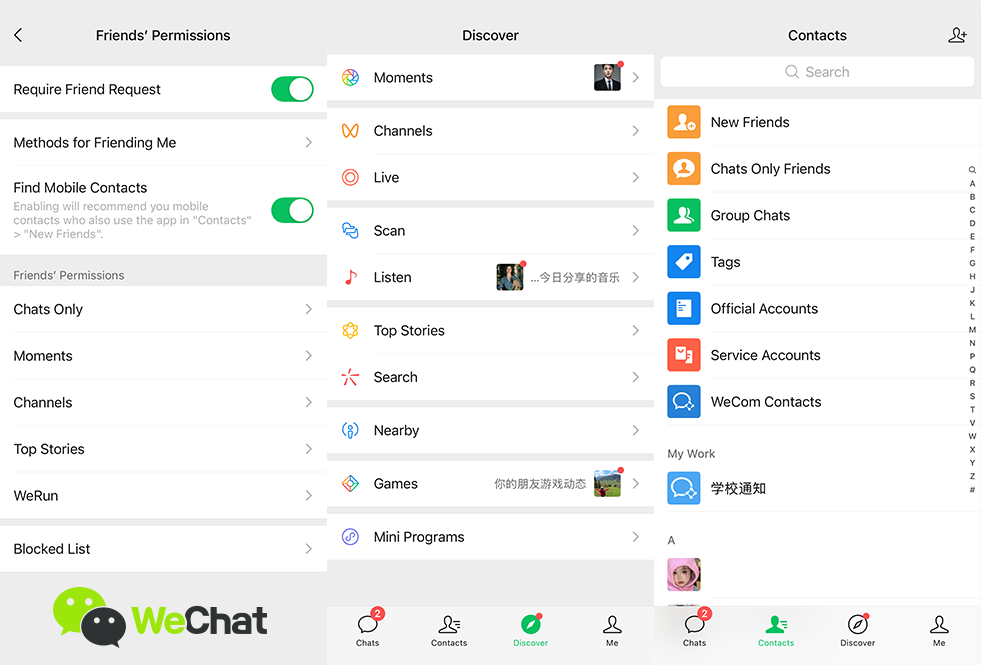
2. How Content is displayed
West: Although short videos and live streaming are also popular on Western social media, traditional text posts, photos, and articles still dominate. Each Platform has specific functions and audiences, like Facebook and Twitter, with Facebook being more suitable for community building.3. Public Sharing and Privacy
West: Western users also share personal life, and tend to place greater emphasis on privacy protection. Many prefer to share content only with a specific group or community, and interact through comments, likes, and shares — more low-key than the Chinese users.
4. Branding and Marketing
West: Compared with Chinese consumers, Western users tend to shop more on independent e-commerce platforms like Amazon, but not on social media. Ads and promotions on social platforms are typically more focused on brand building rather than direct sales.5. Entertainment and Cultural Content
Western: Western social media places more emphasis on diverse cultural expressions, such as politics, social issues, and freedom of personal expression. The level of customization in the information flow is generally lower than that of Chinese platforms. Users are more likely to see information from friends or those they are following.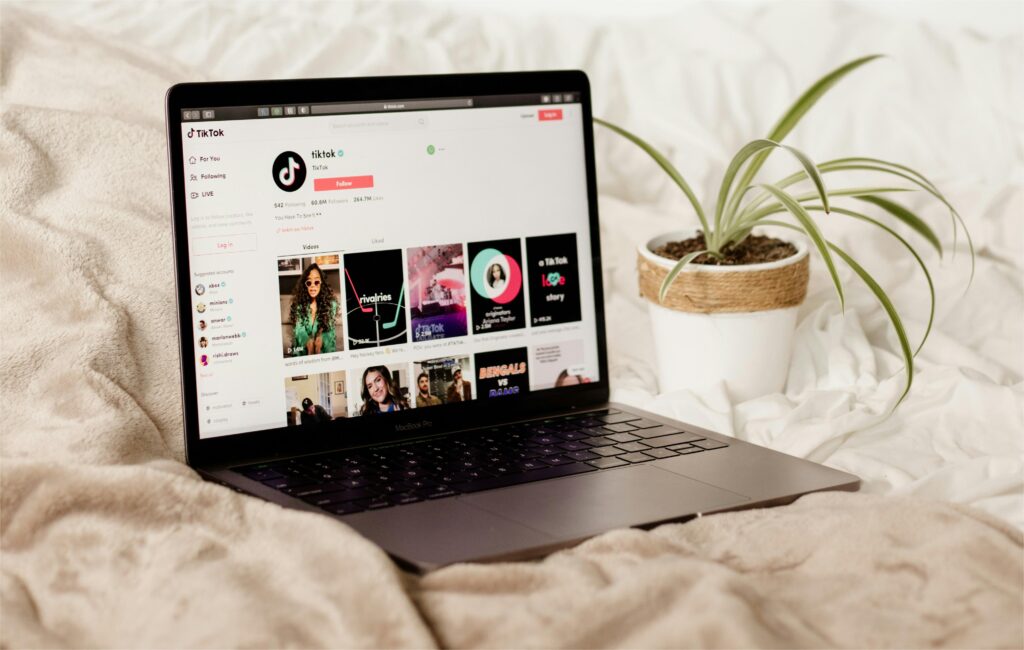
Common Cross-Cultural Mistakes
Last Updated: 15 October 2026 | Reviewed by Out2China Quick Answer Foreign employers can support employee retention in C...