
Last Updated: 15 October 2026 | Reviewed by Out2China Quick Answer Foreign employers can support employee retention in C...
Opening a corporate bank account in China is often one of the most time-consuming steps in the registration process. Most banks require the legal representative to be physically present for an in-person KYC (Know Your Customer) verification. Required documents usually include the business license, company seals, etc. Some banks may also request address verification at your registered address to confirm genuine business activity. Transfers, Currency, and Account Maintenance Transfers between accounts under the same bank within Shenzhen are generally free of charge, while inter-bank or cross-city transfers may incur small handling fees. Both RMB and USD accounts can remit funds overseas, though international transfers usually cost slightly more than domestic ones. During the account opening process, banks will take a photo of the legal representative for facial recognition verification. Once the account is activated, companies must complete monthly tax filing and account confirmation, which can be handled by their appointed accounting agent. A Chinese mobile number is required for online banking and SMS verification. The annual account management fee is approximately RMB 500–600, which covers SMS notifications, USB keys, and online banking access. Some banks may also issue a physical card as part of the initial setup. Out2China partners with multiple Chinese and international banks to provide clients with one-stop support throughout the entire account-opening process. Learn more: China Company Registration Guide for Overseas BusinessesAccount Types & Usage
Account Type Description RMB Basic Account The main operating account for daily transactions. It allows transfers to both company and personal accounts, accepts multiple currencies, and converts them to RMB at real-time exchange rates with no conversion fee. You can also use this account to pay employee salaries. RMB General Account All additional RMB accounts opened after the basic account, typically at another bank, are classified as general accounts. They are used exclusively for business-to-business transactions and can receive multiple currencies, converting them to RMB at real-time exchange rates with no conversion fee. Foreign Currency Account (USD, etc.) Used to receive and hold multiple foreign currencies. Funds can be converted to the target currency (e.g., USD) at real-time exchange rates with no conversion fee. Capital Account You also need to transfer your registered capital to the capital account within five years. When injecting capital, it is important to specify “Investment from [Investor Name]” in the remittance note to ensure regulatory compliance. If you wish to convert the funds into your RMB or USD account, you’ll need to declare the commercial purpose and apply through the bank — we can assist you with this step. 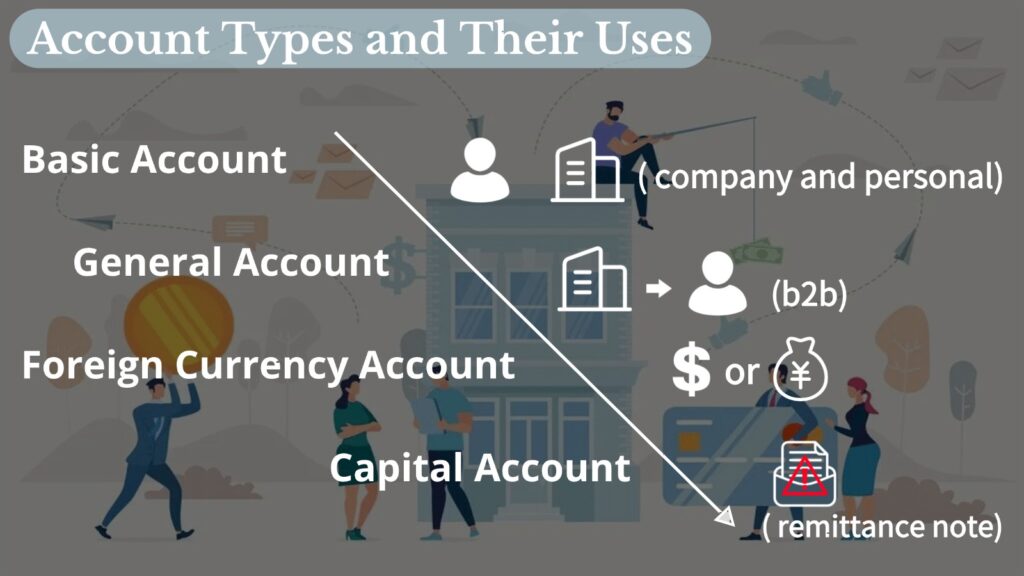
How Out2China Supports You
Related topic: Business Registration & Name Approval in China
Last Updated: 15 October 2026 | Reviewed by Out2China Quick Answer Foreign employers can support employee retention in C...
Quick answer A China payroll calendar should show when employees receive their salary, when payroll inputs and approvals...